

Description: TECHNICAL SPECIFICATION
STEEL ROOF AND ENCLOSURE SYSTEM WITH INSULATED SANDWICH PANELS
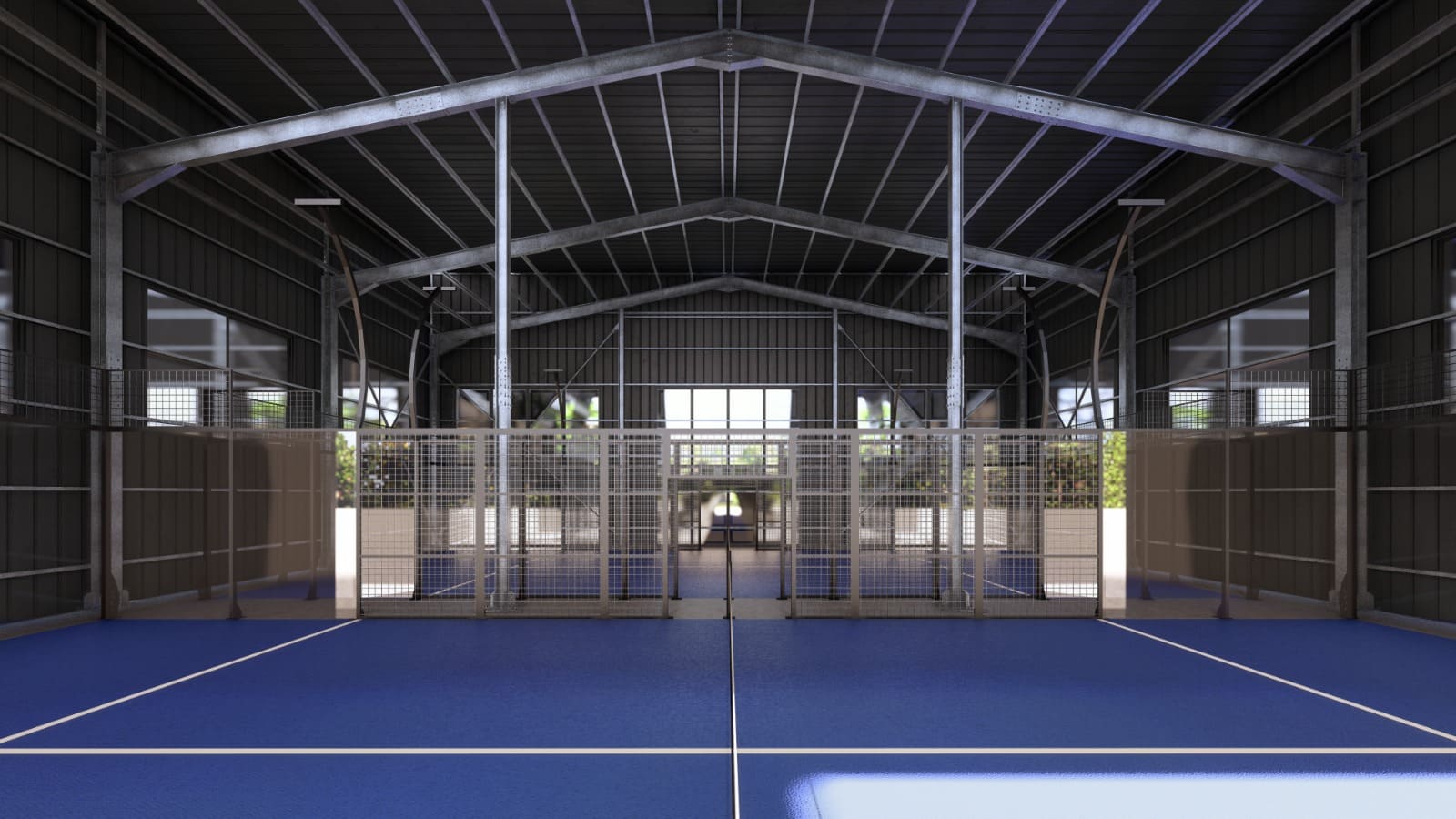
For Padel Courts – North West Germany 🇩🇪
- Scope and Definitions
1.1 Scope
-
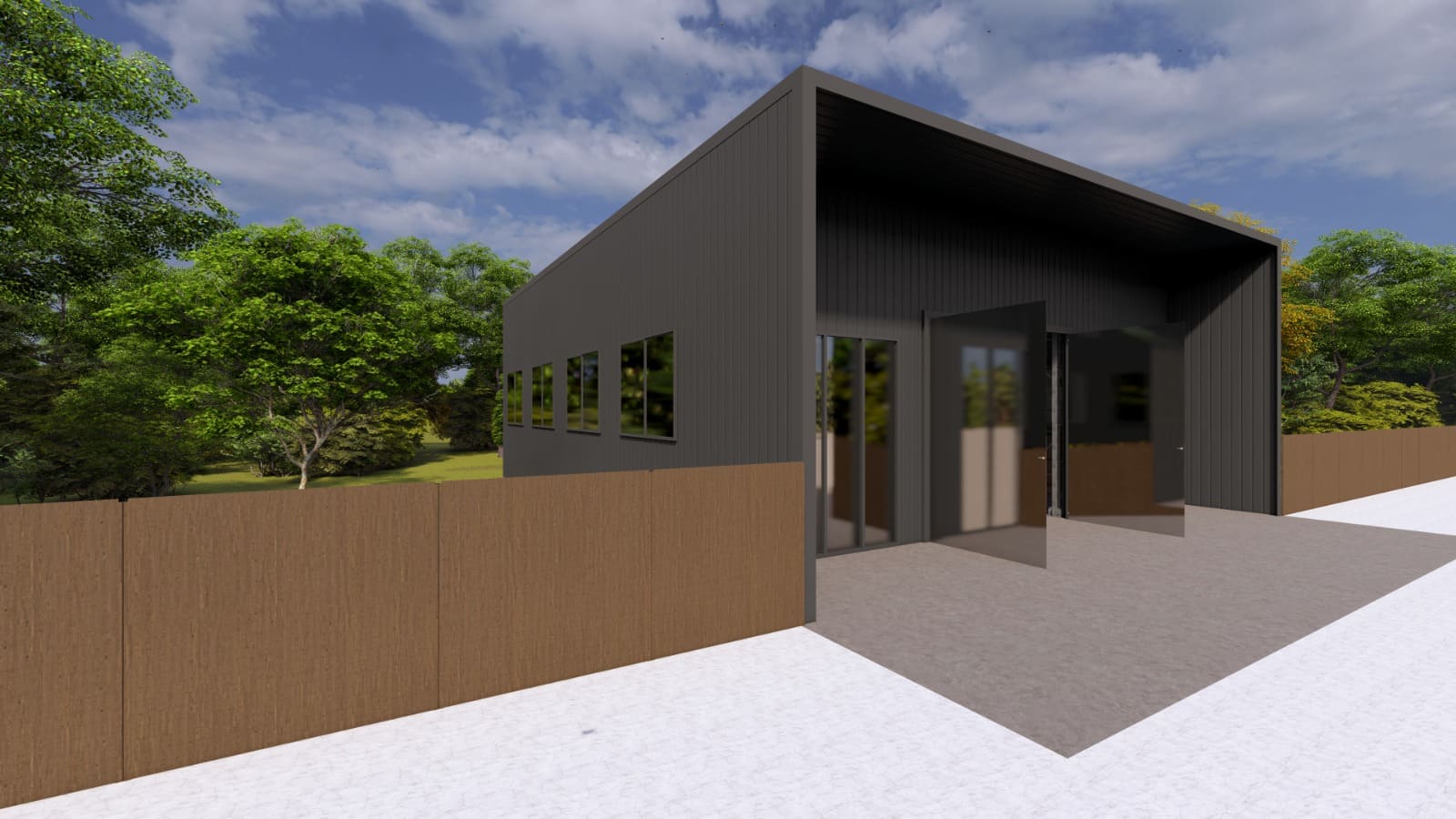
- This specification defines the design, engineering, fabrication, supply, installation, and quality control of a steel roof and enclosure system for padel courts located in Germany 🇩🇪 executed by Unixpadel.
1.2 System Description
The system consists of:
-
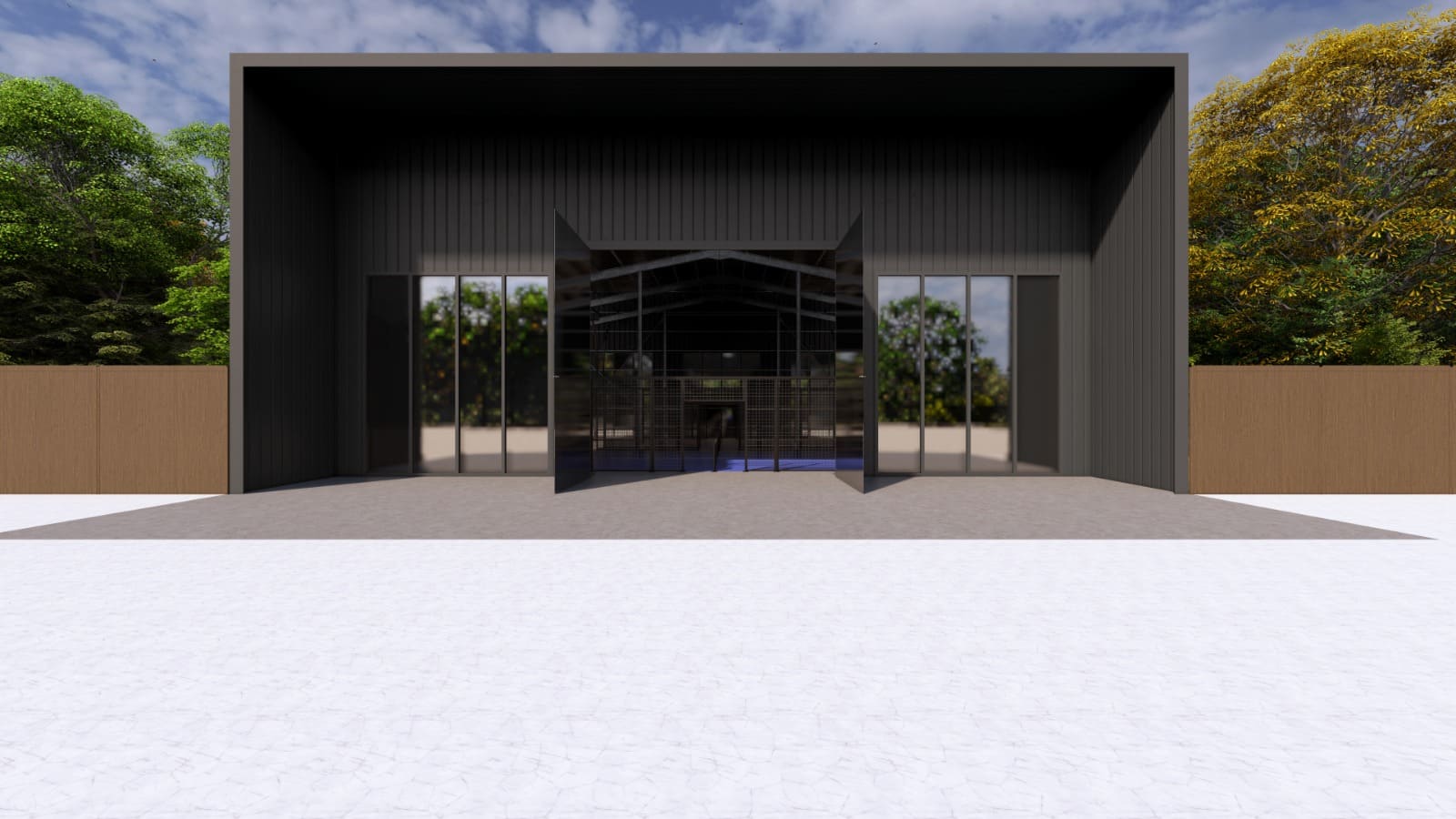
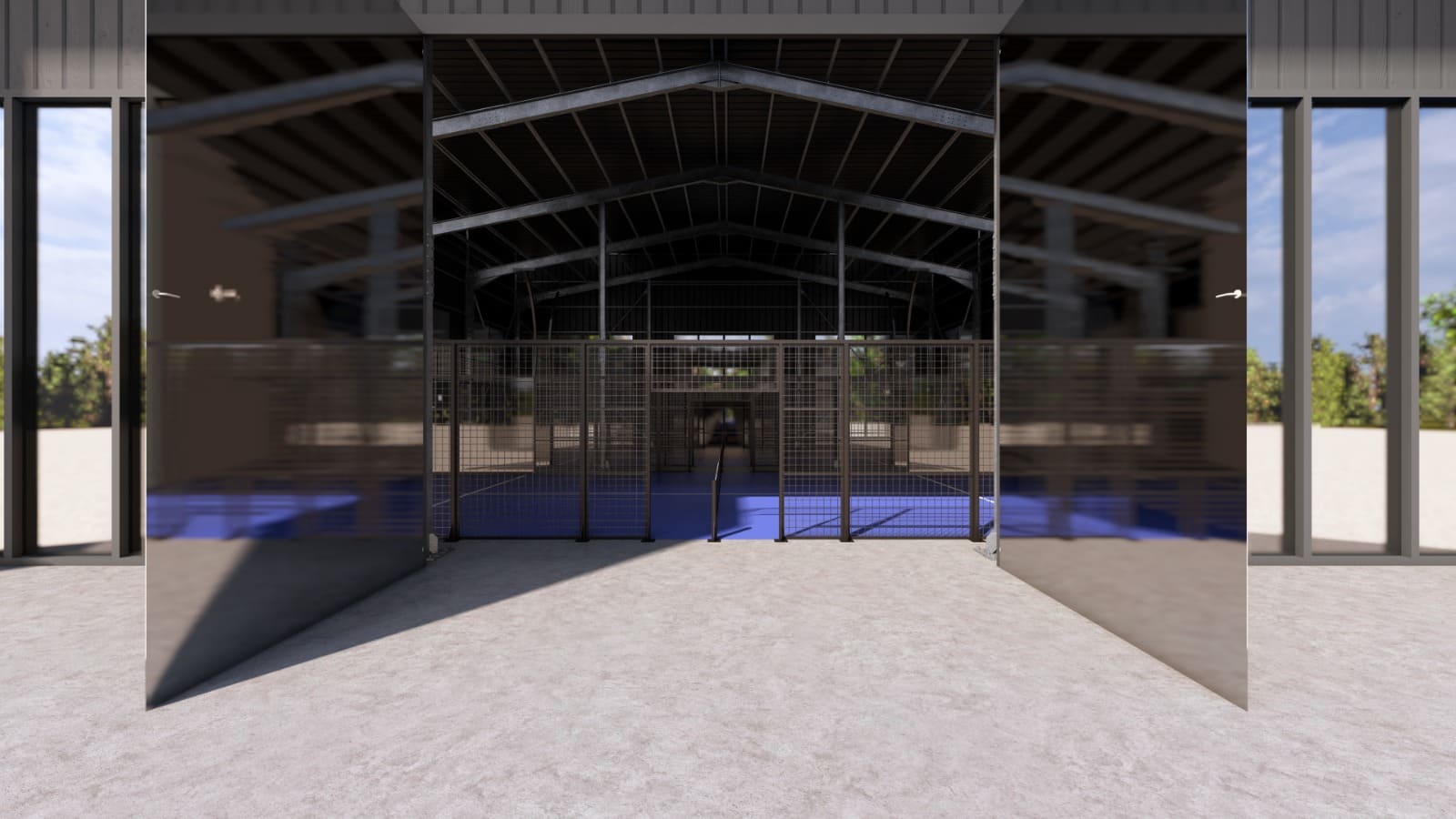
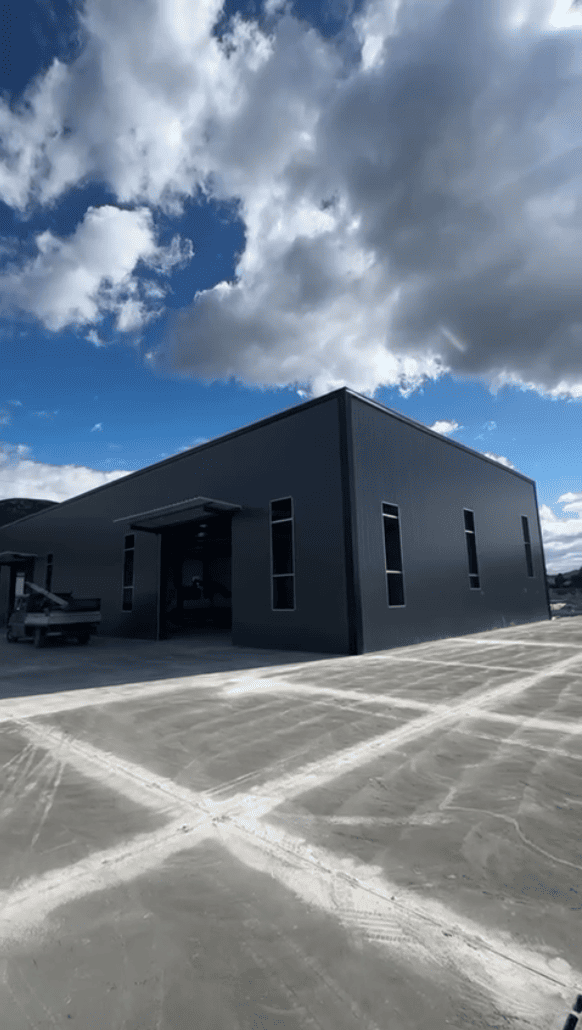
- Primary and secondary steel structures made of H-profiles • Hot-dip galvanized steel components • Thermal insulated sandwich panel roof and façade • Glazed façade elements for natural daylight • Anchorage and foundation connection systems • Drainage and condensation control elements • Wind, snow and seismic resistant structural detailing • Maintenance and inspection access provisions
1.3 Design Loads
-
- Characteristic snow load:
≥ 1.50 kN/m² (150 kg/m²) on horizontal projection • Wind loads:
According to NTC 2018 and Eurocode EN 1991-1-4, based on Germany 🇩🇪 wind zone • Seismic actions:
Evaluated per EN 1998 / NTC 2018, if required by local authority
2. Applicable Standards and Regulations
Italian Regulations
-
- NTC 2018 – D.M. 17/01/2018
- Circolare 21/01/2019 n.7
Eurocodes
-
- EN 1990 – Basis of structural design
- EN 1991-1-3 – Snow loads
- EN 1991-1-4 – Wind actions
- EN 1993 – Steel structures
- EN 1998 – Seismic design (if applicable)
Steel Construction
-
- EN 1090-1 / EN 1090-2 – CE marking & execution • EN ISO 3834-2 – Welding quality requirements • EN ISO 1461 – Hot-dip galvanizing
Materials
-
- EN 10025 – Structural steel grades
- EN 14399 / EN 15048 – Structural bolting
Sandwich Panels
-
- EN 14509 – Factory-made sandwich panels
EN 13501-1 – Fire classification - EN ISO 6946 – Thermal transmittance (U-value)
- EN ISO 10140 / EN ISO 717-1 – Acoustic insulation
- EN ISO 12944 – Durability & corrosion protection
- EN 14509 – Factory-made sandwich panels
Anchorage Systems
-
- ETA-approved anchors according to EAD 330232-00-0601
All documentation shall be validated and signed by a licensed Italian structural engineer (Albo) for submission to Comune di Germany 🇩🇪.
3. Design Criteria
-
- Snow load: ≥ 1.50 kN/m²
- Wind loads: According to Germany regional parameters • Load combinations: ULS / SLS per EN 1990 • Deflection limits:
- General: L/250
- Roof panels: stricter limits to prevent ponding • Temperature range: −20 °C to +60 °C • Execution class: Minimum EXC2 (EN 1090-2)
4. Materials
4.1 Steel Structure
-
- Steel grade: S355 (EN 10025)
- Profiles: H-profiles (columns and main beams) • Surface protection:
Hot-dip galvanizing ≥ 85 μm (EN ISO 1461)
4.2 Bolting and Welding
-
- Bolts:
- EN 14399 (preloaded, slip-resistant joints) • EN 15048 (standard joints) • Stainless steel AISI 304 / 316 where exposed • Welding:
- EN ISO 3834-2
- Welders certified to EN ISO 9606-1

EN 13501-1 – B-s2,d0
-
- Sound insulation:
Rw ≥ 25–30 dB (depending on thickness)
-
- Air & water tightness:
Tested according to EN standards
-
- Durability: UV, moisture, corrosion resistant
5.3 Certification
Panels must be supplied with:
-
- CE marking (EN 14509)
- Thermal performance test reports
- Fire classification certificates
- Acoustic and condensation resistance documentation
5. Sandwich Panel System (Roof & Façade)
5.1 General
All roof and enclosure surfaces shall be constructed using thermal insulated sandwich panels, replacing any membrane-based system.
5.2 Panel Characteristics (Reference: ASPAN-type panels or equivalent) • Core material: PIR or PUR insulation • Panel thickness: Project specific (typically 60–100 mm) • Thermal conductivity (λ): ≤ 0.022 W/mK • Thermal transmittance (U-value):
-
- Roof panels: ≤ 0.30 W/m²K
- Wall panels: ≤ 0.35 W/m²K
- Fire reaction:
6. Structural System
Main frames composed of H-profile columns and beams
• Typical frame spacing: 3.0 – 5.0 m, optimized by static analysis
• Secondary steel members support sandwich panels
• Glazed façade zones designed for natural lighting
• Integrated gutter and drainage system
• No water ponding permitted under any load condition
• Snow sliding and accumulation control measures included
• Maintenance access lines and anchor points provided
7. Foundations and Anchorage
-
- Anchors designed for combined tension and shear
- ETA-approved chemical or mechanical anchors
- Installation strictly per manufacturer instructions:
- Drilling
- Cleaning
- Curing
- Torque control
- Reinforcement verification by non-destructive methods where required.